


Polymer Modified Bitumen

Polymer Modified Bitumen (PMB)
Bitumen, also known as asphalt, is an essential material in infrastructure development, offering waterproofing, adhesion, and flexibility for road construction, roofing, and industrial uses. To enhance bitumen’s durability and resistance to environmental stress, Polymer Modified Bitumen (PMB) was developed by adding specific polymers that improve elasticity, thermal resistance, and longevity.
Polymer Modified Bitumen (PMB) is used in a variety of construction applications, where extreme weather and heavy traffic demand high-quality, long-lasting materials.
Grades of Polymer Modified Bitumen (PMB)
-
PMB 64-10 PMB 64-10 is designed for regions with moderate climates and is widely used for general road construction. It offers good flexibility and resistance to rutting under normal traffic conditions.
-
PMB 70-10 This grade is highly resistant to deformation, making it ideal for high-traffic areas such as highways and intersections. PMB 70-10 performs well in both moderate and high-temperature environments.
-
PMB 76-10 PMB 76-10 is formulated for heavy-duty applications. It provides excellent resistance to fatigue, cracking, and rutting, ensuring longevity even under extreme stress. This grade is typically used for airports, industrial zones, and expressways.
-
PMB 82-10 For areas with extreme temperatures, PMB 82-10 offers superior thermal stability. It is used in climates where both high heat and low temperatures affect road performance. This grade is commonly applied in high-performance infrastructure projects such as bridges and tunnels.
-
PMB 76-22 It is specifically designed for regions with wide temperature fluctuations. Its elastomeric properties allow it to expand and contract without losing structural integrity, making it a reliable choice for colder climates or areas with seasonal weather changes.
-
PMB 70 PMB 70 is a versatile grade, known for its excellent flexibility and adhesion. It is often used in the construction of highways, city roads, and areas where consistent traffic flow demands reliable performance.
-
PMB 40 PMB 40 is one of the more economical grades of PMB, used for projects that require moderate performance under less strenuous conditions. It is still highly durable and resistant to wear, making it suitable for general construction needs.
-
PMB 76-10 PMB 76-10 is formulated for heavy-duty applications. It provides excellent resistance to fatigue, cracking, and rutting, ensuring longevity even under extreme stress. This grade is typically used for airports, industrial zones, and expressways.
Applications of Polymer Modified Bitumen
- Road Construction : PMB is the preferred choice for highway and expressway pavements due to its superior durability and rutting resistance
- Airport Runways : With its ability to withstand high-pressure loads from aircraft landings, PMB ensures longer-lasting, safer runways
- Bridges and Tunnels:The flexibility of PMB allows it to handle the stresses and strains of bridge structures, where movement is constant.
- Parking Lots and Industrial Zones PMB's ability to bear heavy loads and frequent traffic makes it the perfect solution for industrial complexes and commercial areas.
- Waterproofing and Roofing Beyond roads, PMB is widely used in roofing materials due to its waterproofing capabilities and resistance to temperature variations.
- Waterproofing: PG bitumen is also used in waterproofing applications for roofs, basements, and foundations, providing superior protection against moisture.
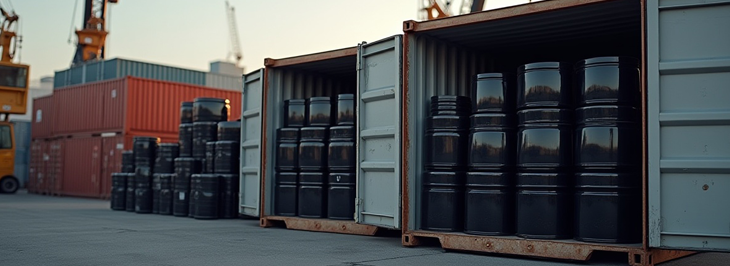
Bitumen Packing Methods
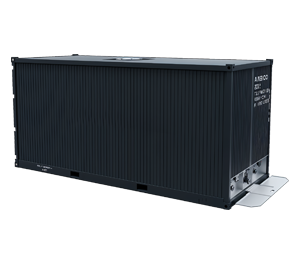
Bitumen Tank Container
Special containers designed to transport bitumen in liquid form. These containers can be heated, allowing for the safe transfer of hot bitumen without solidifying.
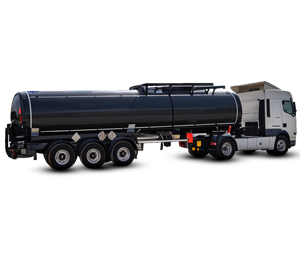
Bulk Packing
Bitumen can be shipped in bulk containers for large-scale projects. This is ideal for customers who need large quantities delivered directly to the site.
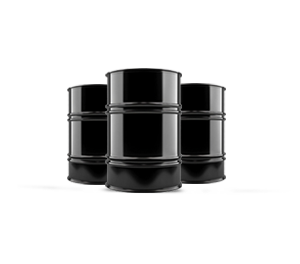
Drum Packing
Bitumen is often stored in 200-liter drums made from steel. These drums are convenient for smaller projects or for transportation to remote areas.
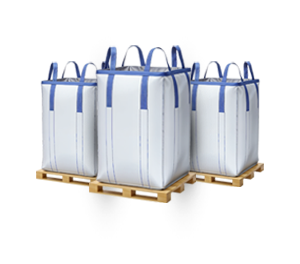
Jumbo Bags
For easier handling and transport, jumbo bags can be used. These are high-capacity bags designed to hold bitumen in solid form.
Quality Standards of Bitumen Grades
ASTM D6373
This specification covers the classification of PMB based on performance properties related to temperature and load conditions.
European standards for PMB, which outline the requirements for bitumen used in road construction.
Our production facilities follow ISO 9001 quality management systems, ensuring consistent quality control from production to delivery.
We’re here to help you find the right solution for your road construction or waterproofing needs. Whether you need technical specifications, bulk order support, or expert guidance on polymer modified bitumen applications, our team is ready to assist. Reach out to us directly via phone or email, or visit our office during business hours to discuss your project in person. We value clear communication and long-term partnerships—let’s build something strong together.
Get InTouch with US
Frequently Asked Questions (FAQs)
Polymer Modified Bitumen (PMB) is a type of bitumen enhanced with polymers such as SBS (Styrene-Butadiene-Styrene) or EVA (Ethylene Vinyl Acetate). These additives improve flexibility, durability, resistance to rutting, cracking, and overall pavement performance under heavy traffic and extreme weather conditions.
PMB is widely used in highways because it offers superior performance compared to conventional bitumen. It provides:
- Higher resistance to rutting under heavy traffic
- Better flexibility to reduce cracking
- Improved fatigue life and pavement durability
- Enhanced resistance to water damage and temperature variations
- Lower long-term maintenance costs
| Polymer Modified Bitumen (PMB) | Viscosity Grade (VG) Bitumen |
|---|---|
| Modified with polymers | Standard petroleum bitumen without polymer additives |
| Higher flexibility and elasticity | Lower flexibility |
| Better resistance to rutting and cracking | Suitable for normal traffic conditions |
| Ideal for highways, airports, bridges, and expressways | Commonly used for general road construction |
| Longer pavement life with reduced maintenance | Lower initial cost but higher maintenance over time |