


Bitumen Usage
Bitumen Usage
What is Bitumen?
Primary Uses of Bitumen
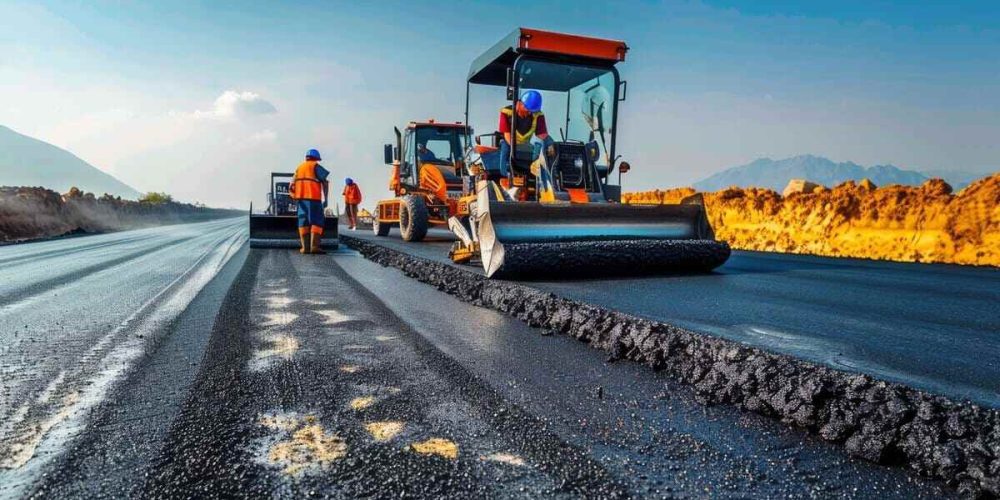
1) Road Construction and Paving: One of the most common applications of bitumen is in road construction. Bitumen serves as a binder that holds the aggregate together in asphalt concrete, providing the strength and durability needed for roads to endure heavy traffic and weather extremes.
- Highways: Bitumen is widely used for constructing highways and expressways, where heavy traffic and high temperatures demand superior pavement performance.
- Urban Roads: Bitumen is used for paving urban roads and streets, offering a cost-effective and long-lasting solution.
- Airports: Runways and taxiways in airports also use bitumen-based asphalt mixtures due to their ability to withstand the impact and friction from aircraft landings and takeoffs.
- Roofing Sheets: Bitumen-based roofing materials are ideal for buildings ,where intense sunlight and sporadic rain require a material that resists heat and prevents leaks.
- Foundation Waterproofing: In construction, bitumen is applied as a waterproofing agent for building foundations, ensuring that water does not seep through the structure.
- Bitumen Coating: Bitumen is used for protective coatings on pipelines, metal structures, and storage tanks, helping to prevent corrosion.
- Damp Proofing: Bitumen membranes are often used in damp proofing applications, particularly in basements and underground structures, ensuring protection from moisture.
- Soundproofing: Bitumen is used in soundproofing materials, providing a barrier that reduces noise transmission between building floors.
- Railway Construction: Bitumen is used to stabilize ballast in railway tracks, enhancing track stability and reducing maintenance costs.
- Tennis Courts and Sports Surfaces: Bitumen-based asphalt mixtures are used to construct durable, smooth sports surfaces, including tennis courts and running tracks.
Why Bitumen is Essential in Global Construction Industry
In middle East, where extreme heat and heavy traffic are common, bitumen plays a key role in ensuring the durability and longevity of road infrastructure and buildings. Its ability to withstand high temperatures and its flexibility under stress make it ideal for the region’s construction needs. Additionally, bitumen’s cost-effectiveness and availability make it the material of choice for large-scale infrastructure projects.
Bitumen’s versatility makes it indispensable in various construction applications, from road paving to waterproofing. Its role in growing infrastructure cannot be understated, as it helps to build and maintain the roads, buildings, and structures that support everyday life in the city. Whether for highways, roofing, or industrial uses, bitumen continues to be a crucial material for durable, long-lasting construction.
Get InTouch with US
Frequently Asked Questions (FAQs)
The primary use of Bitumen is as a binder in asphalt for road and highway construction. It provides strong adhesion, flexibility, and durability, helping create long-lasting pavements that can withstand heavy traffic and changing weather conditions. Bitumen is also widely used in waterproofing, roofing, and industrial infrastructure projects.
Bitumen is used in a variety of industries, including:
- Road and highway construction
- Civil engineering and infrastructure
- Roofing and waterproofing
- Airport construction
- Bridge and tunnel projects
- Oil and gas pipeline coating
- Marine and port infrastructure
- Industrial manufacturing
- Commercial paving and parking facilities
Its strength, water resistance, and long service life make Bitumen an essential material across construction and industrial sectors.